.png)
Zollywood: A Celebration of Vidarbha's Theatre Culture
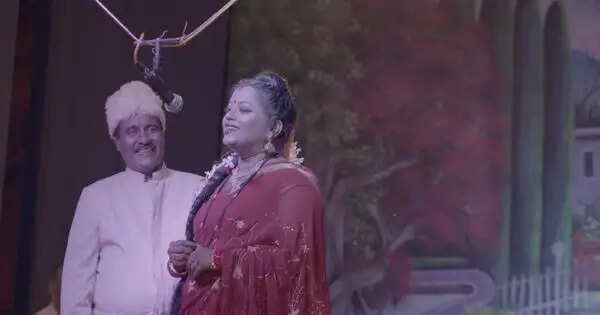
Introduction to Zollywood
Vidarbha, located in eastern Maharashtra, is often associated with drought and hardship, yet it boasts a rich theatre tradition that deserves recognition. This is the central theme of Trushant Ingle's debut film Zollywood, a perspective that is hard to contest.
Film Premiere and Themes
The film, produced by a local film company, is set to debut at the Jagran Film Festival in late September, with plans for a theatrical release in the coming months. Zollywood highlights the local theatre scene known as 'zhadipatti'.
During the festive period between Diwali and Holi, various troupes present plays covering diverse topics, from family dramas to social issues and comedies. These groups, referred to as 'presses', run printing operations throughout the year. Their performances are not only popular but also financially rewarding, with actors often regarded as stars.
Cultural Significance and Challenges
Despite its popularity, zhadipatti has faced criticism, as noted by the 27-year-old director of Zollywood. The all-night performances are sometimes viewed as a sign of moral decline. The audience and performers come from various caste and tribal backgrounds, and the plays are performed in the local Varhadi dialect, reflecting the essence of Vidarbha.
Ingle emphasized the need for a film about zhadipatti, stating, 'This is an integral part of Maharashtra's culture that deserves to be showcased.'
Plot Overview
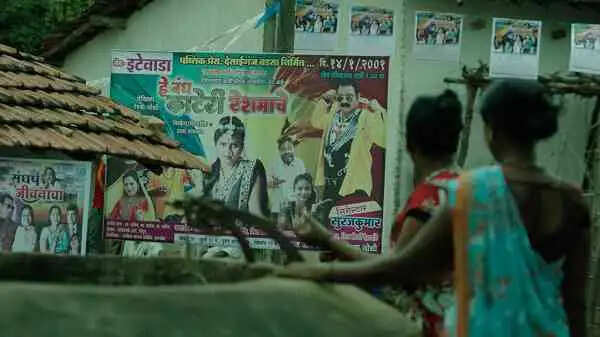
The narrative of Zollywood revolves around the friendly competition among three theatre groups striving to be the season's best. One group is led by Aman, who is distancing himself from his mentor while seeking fresh talent due to demands for higher pay from seasoned performers.
Aman's cousin, Raja, recruits dancer Reshma to enhance his group's appeal. Although Reshma admits she cannot act or sing, her dancing captivates the audience, winning their approval despite initial boos. Raja becomes infatuated with her, much to the annoyance of his peers.
The third key character, Deepak, known as the 'jalta chirag' (eternal flame) of zhadipatti, writes about life's struggles and creates a play focused on the rehabilitation of a rape survivor.
Cultural Reflections
One of the film's insights is that zhadipatti serves a similar role in local theatre as Bollywood does in Hindi cinema, being both cherished and commercially viable, thus facing the pressures of the entertainment industry. Ingle derived the title from a newspaper article, finding it fitting as it mirrors the business aspect of zhadipatti.
Ingle's research included discussions with veterans of zhadipatti, and the story is credited to actress Asawari Naidu, who also plays a significant role in the film. Naidu comes from a family of zhadipatti actors, adding authenticity to the narrative.
Ingle's Journey and Vision
Trushant Ingle, who grew up in Nagpur, has personal ties to zhadipatti, having performed in plays during his childhood to improve his circumstances. He recalls earning a decent income from these performances, which fueled his passion for theatre.
His fascination with zhadipatti continued into adulthood, and Zollywood captures various aspects of this theatrical tradition, including the unique way actors deliver their lines and the audience's engagement with the performances.
Humor and Social Commentary
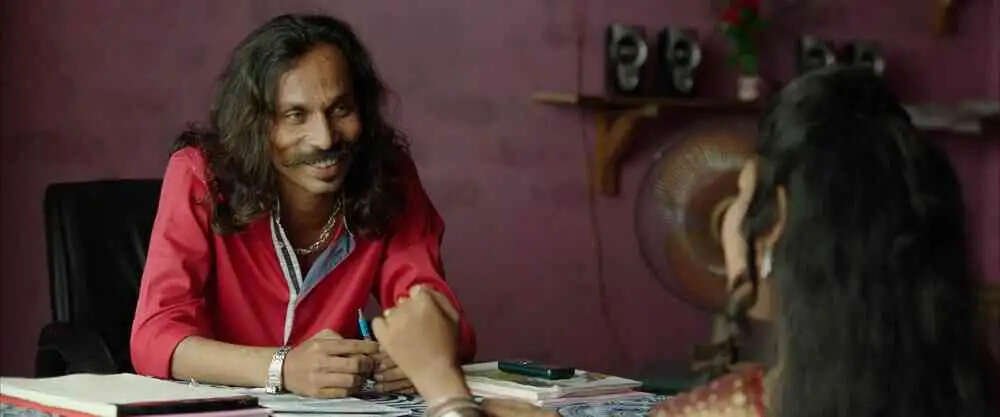
A humorous subplot features Raja hiring actor Suraj Kumar, whose only claim to fame is his minor roles in Hindi films. Despite his limited talent, Suraj's Bollywood background earns him star status and admiration from the audience.
As production companies vie for audience attention, Ingle introduces a street theatre group that addresses pressing social issues often overlooked in zhadipatti productions, such as land rights and caste dynamics.
Artistic Approach and Language
Ingle, who identifies as Dalit, believes that Zollywood carries a deeper political message than it may seem. He aims to raise awareness about the existence of such theatre forms through his film.
The film predominantly features zhadipatti performers, who adopt a more naturalistic acting style. Ingle conducted workshops to help the actors embody their characters authentically, resulting in a genuine portrayal on screen.
Conclusion
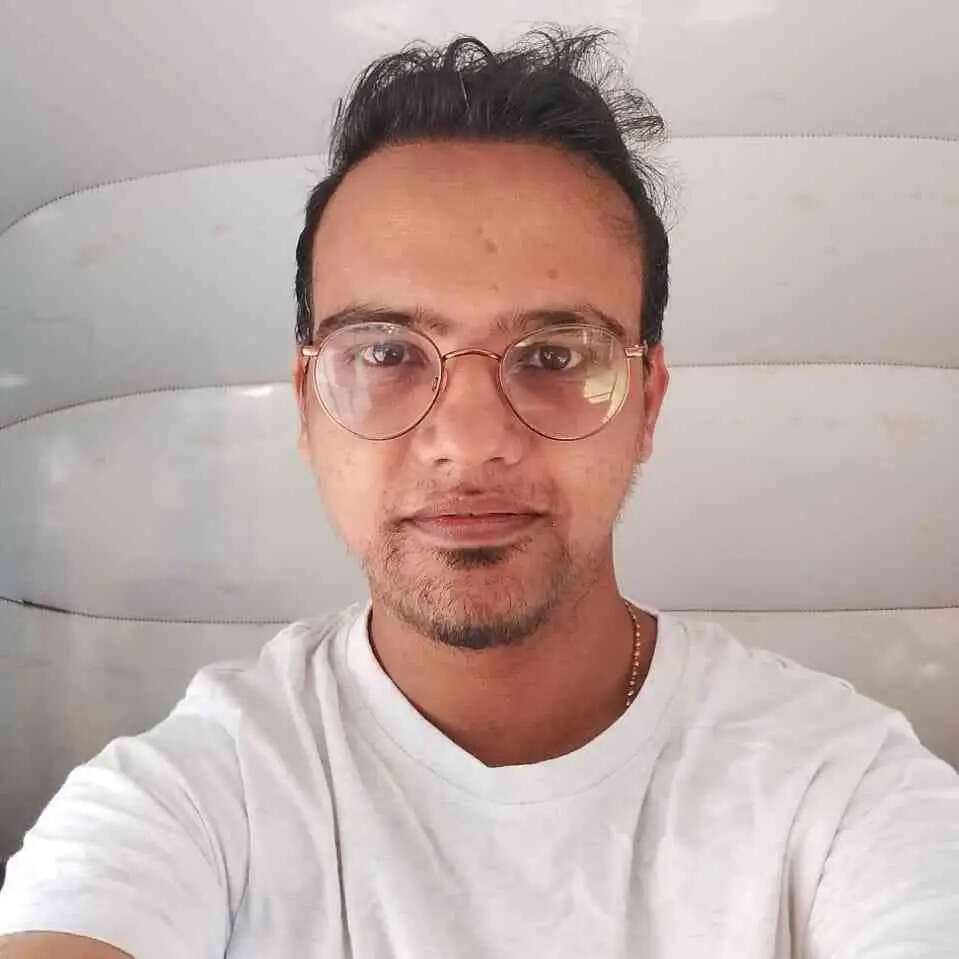
Shot over 22 days in a village in Chandrapur district, Zollywood reflects Ingle's commitment to showcasing the Varhadi dialect and the cultural richness of Vidarbha. The film pays homage to the resilient spirit of zhadipatti performers, suggesting that amidst the challenges, there is room for celebration.