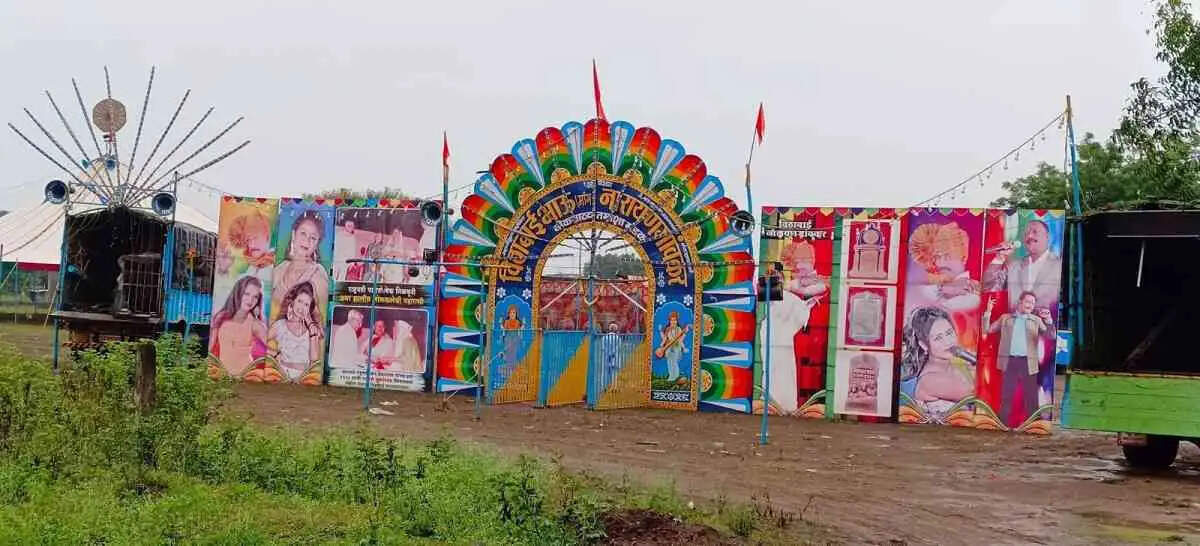
.png)
Vithabai Narayangaonkar: The Legacy of Maharashtra's Tamasha Queen in Upcoming Biopic 'Eetha'

Introduction to Vithabai Narayangaonkar
Amidst the loud cheers of the audience calling her name, Vithabai Narayangaonkar, a renowned tamasha artist from Maharashtra, gives birth backstage. Despite the pain, she focuses on the music and the rhythm of the dholki. Just moments after childbirth, she steps onto the stage, sari tightly wrapped around her waist.
Shraddha Kapoor portrays Vithabai in the upcoming biopic 'Eetha' directed by Laxman Utekar. The child born during this dramatic moment is Kailash Narayangaonkar, who is now 64 and carries forward his mother's legacy.
The teaser for 'Eetha' opens with the birth of Kailash on June 3, 1962, in Shikhar Shingnapur, Satara district, Maharashtra. It highlights the demanding nature of the art form that often consumed its practitioners, sparking discussions beyond just cinema.
Set to release on August 28, the film features music by Ajay-Atul and follows the tradition of biopics celebrating cultural icons in Maharashtra, similar to Utekar's previous work 'Chhaava' (2025).
Vithabai's Journey and Impact
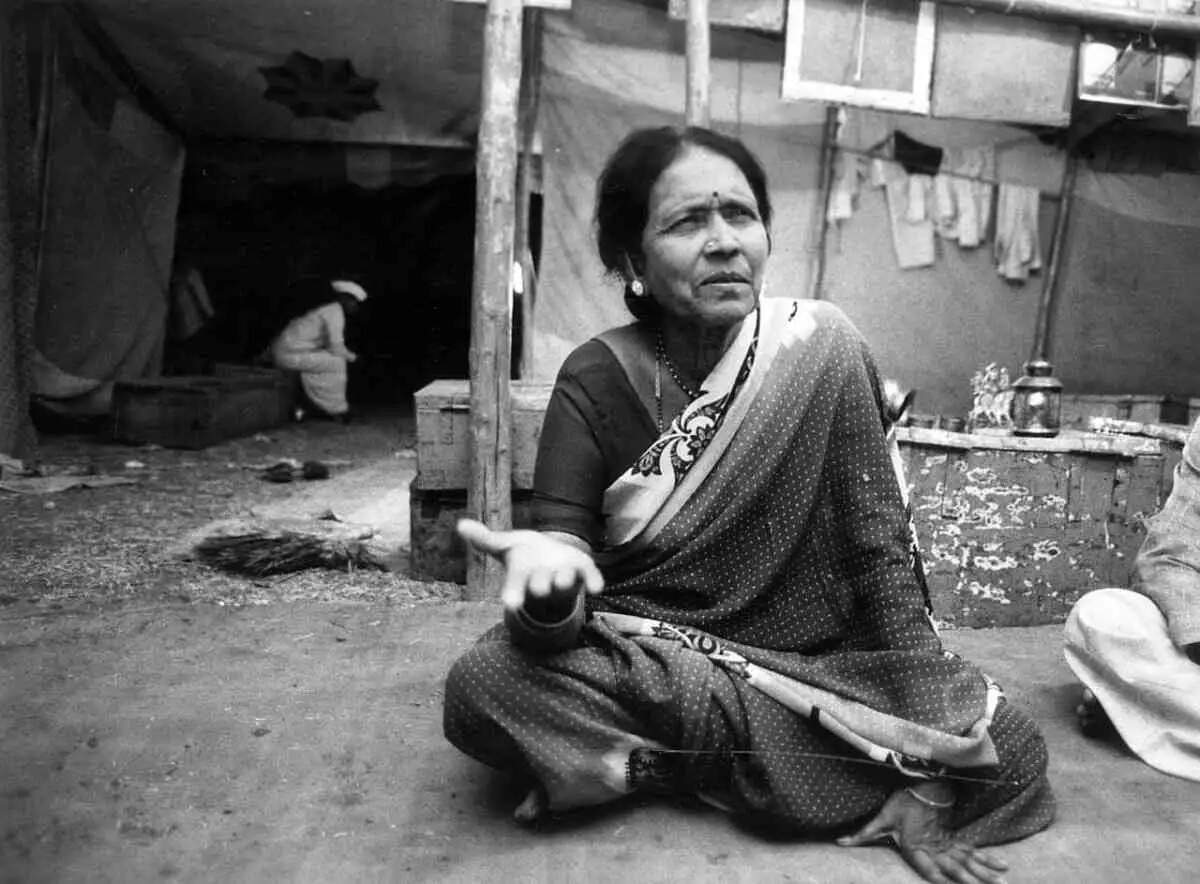
Born on July 1, 1935, in Pandharpur to a Dalit Mang family, Vithabai was immersed in the tamasha tradition, which blends music, dance, and social commentary. She rose to prominence in rural Maharashtra, becoming a pivotal figure in the art form.
Her commanding voice and sharp wit attracted fans from all over the state. Vithabai was honored with the Presidential medal twice, in 1957 and 1990, for her contributions to folk culture.
She passed away on January 15, 2002, leaving behind a legacy that her children remember with admiration. Kailash Narayangaonkar remarked, "My mother was fiercely dedicated to her art, and that was where her true affection lay."
Family Legacy and Film Adaptation
Several of Vithabai's children, including her daughters Mangala Bansode and Malati Inamdar, followed in her footsteps. Kailash and his sons manage the Vithabai Bhau Mang Narayangaonkar troupe, facing numerous challenges.
As the family anticipates 'Eetha', they approach it with cautious optimism. Mohit Narayangaonkar mentioned that while they shared some photographs with the producers, no formal agreement has been made regarding the film.
Despite acknowledging that 'Eetha' will take creative liberties, Mohit expressed hope that the film accurately represents Vithabai's extraordinary yet human essence.
Vithabai's Influence and Challenges
Known as 'Tamasha Samradni' or the Empress of Tamasha, Vithabai was celebrated for her artistry and sharp repartee. Her stage presence was unmatched, as noted by Mangala Bansode, who emphasized the energy and command she brought to performances.
Vithabai's influence extended beyond her performances; she advocated for the tamasha community, even securing subsidized diesel for traveling troupes during a fuel crisis in 1981.
Despite facing personal hardships, she remained committed to preserving the traditional structure of tamasha and lavani, resisting cinematic adaptations that diluted their essence.
Cultural Significance and Future of Tamasha
Before 'Eetha', Vithabai's life inspired the Marathi play 'Vitha' and a biopic of the same name, which, despite being completed over a decade ago, was never released.
Vithabai's legacy exists within a cultural landscape that often struggles to recognize tamasha's significance. 'Eetha' arrives at a time when the art form is caught between heritage and neglect, raising questions about its future.
As Mukund Kule notes, while tamasha has provided livelihoods and independence, it has also faced stigmatization. The complexities of its history are intertwined with caste and societal norms, making it a rich yet challenging tradition.
Conclusion
While 'Eetha' aims to shine a light on tamasha, concerns about its portrayal in a Bollywood context remain. The film reflects a growing interest in Marathi culture, but it also risks oversimplifying a multifaceted tradition.
As the art form continues to evolve, questions about its audience and representation linger. Despite the challenges, tamasha persists, with its rhythms echoing in the hearts of those who still cherish its legacy.
Final Thoughts