.png)
Songs of Paradise: A Journey of Resilience in Kashmir's Music Scene
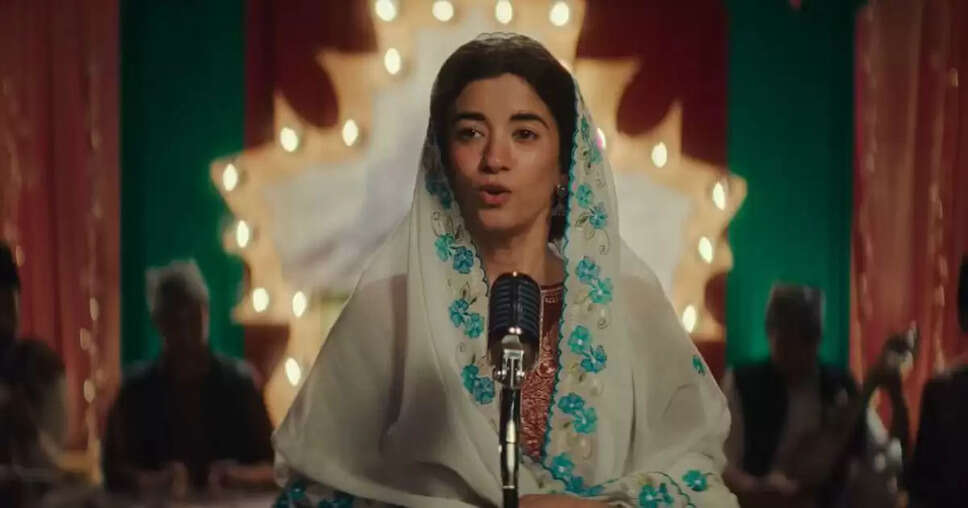
Introduction to Zeba Akhtar's Story
Zeba Akhtar's unexpected victory in a singing contest hosted by a radio station leaves her feeling embarrassed. Despite her awareness of her exceptional vocal talent, she grapples with how to reveal this achievement to her mother, who is unaware of Zeba's passion for singing and her participation in the competition.
Setting the Scene in 1954 Kashmir
Set in 1954 in Srinagar, Kashmir, societal norms dictate that women should remain confined to domestic roles, primarily cooking and cleaning. Zeba (played by Saba Azad) becomes the first woman to perform on Radio Kashmir, finding herself isolated in a male-dominated environment where she eats lunch alone and lacks access to a separate restroom.
Inspiration Behind the Film
Danish Renzu's film, Songs of Paradise, draws inspiration from the legendary Raj Begum, one of the first female professional singers in the region. The narrative unfolds through the eyes of music researcher Rumi (Taaruk Raina), who seeks to uncover Zeba's story. The older Zeba (Soni Razdan) reflects on a time when public insults were common for young women.
Support and Challenges
While Zeba enjoys the encouragement of her supportive father (Bashir Lone), she faces opposition from her traditional mother Hameeda (Sheeba Chaddha). Guided by influential figures such as her music teacher (Shishir Sharma) and the progressive poet Azaad (Zain Khan Durrani), Zeba navigates her journey with quiet determination, only raising her voice when performing.
A Portrait of Quiet Resistance
The film presents a nuanced portrayal of Zeba, who inspires through her subtlety rather than overt rebellion. Despite her composed demeanor, the film's insistence on her propriety sometimes diminishes her fiery spirit. Dressed in the elegant costumes designed by Sheetal Iqbal Sharma, Zeba embodies gentle defiance, yet her character remains somewhat unexplored beyond her musical pursuits.
Cultural Reflections and Musical Heritage
Songs of Paradise serves not only as a homage to classic Kashmiri music, beautifully recreated by Abhay Sopori, but also highlights a rich cultural tapestry often overlooked in mainstream narratives. Masrat-un-Nisa's haunting voice adds depth to Zeba's songs, resonating with the era's radio ambiance.
Character Development and Performances
Renzu's storytelling allows the cast to delve into their roles, with notable performances from secondary actors like Ghulam Lone, Sheeba Chadha, and Shishir Sharma, who complement Saba Azad's nuanced portrayal of Zeba. Azad captures Zeba's awe at her achievements and her quiet defiance, showcasing her humility through body language.
Conclusion: A Unique Cinematic Experience
The film, spanning 106 minutes, is a subtle exploration of Zeba's journey, marked by beautiful songs that resonate until the end credits. Renzu opts for a tone of restrained remembrance rather than outrage, offering a rare glimpse of triumph amidst the backdrop of Kashmir's complexities.